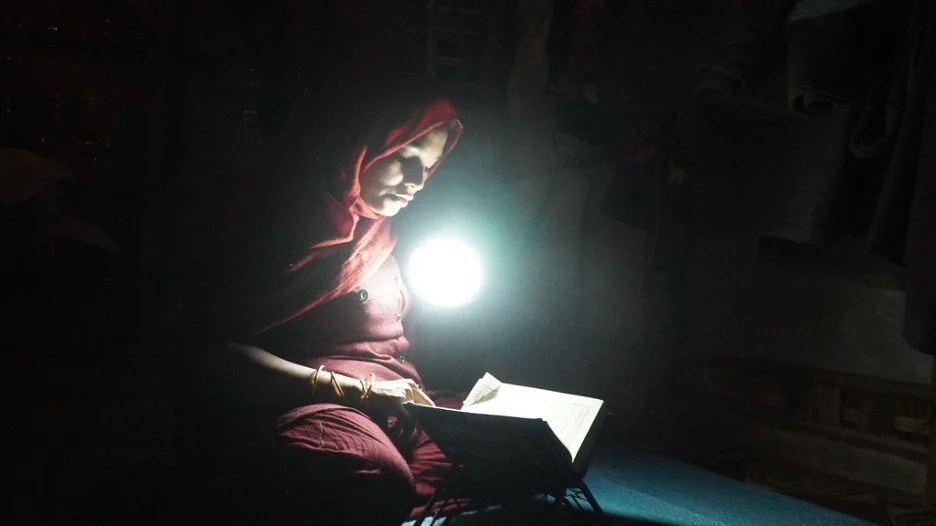
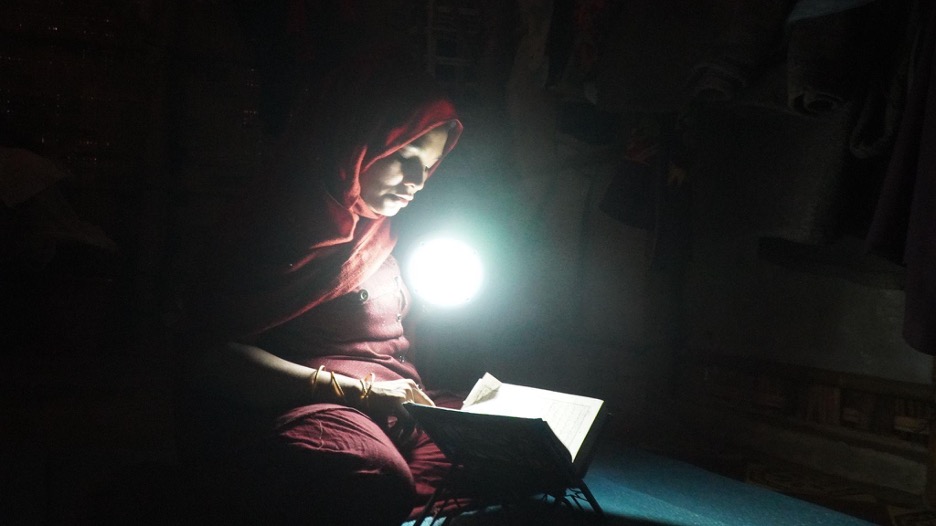
What images do the words “world’s largest refugee camp” bring to mind? Tarpaulin tents, arranged in tight rows? A bare and bleak terrain exposed to the elements?
I spent a month filming inside the world’s largest refugee camp, located in Cox’s Bazar, Bangladesh—during Ramadan. When I came across a call for documentary proposals about the holy month, I thought, how can it be that a documentary like that doesn’t already exist? More than a million Rohingya refugees, stuck in open-air confinement, surviving on minimal aid, still fasting, praying, carrying on. For all the research reports, fundraising campaigns, and officials announcing new high watermarks in the crisis, daily life in the camps remains largely unseen.
People working in slow media like myself have an increasingly rare luxury: extended time to spend prying inside other people’s worlds. The luxury to enter disoriented, cycle through a rapid-fire onslaught of first impressions, then adjust and recalibrate as we get to know the people and the place. To hold opposing truths long enough to feel okay not picking a side.
This piece isn’t an attempt to explain the Rohingya crisis, or to paint an exhaustive picture of the web of actors in the camps. Nor does it propose solutions. Instead, I offer an account of the quiet background track of moral, emotional, and hyper-practical questions that looped in my mind throughout the month. Working with an all-Rohingya crew, who resided and still reside inside the camp, provided me with the ability to access daily sense checks, firm field support, and answers to my endless questions.
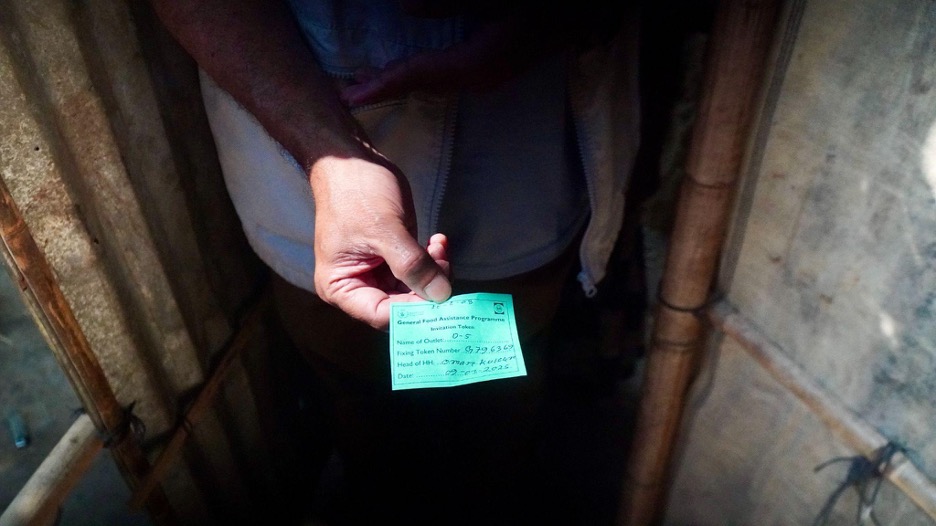
While I was in the camps, sweeping changes to US foreign aid policy were already in motion, with immediate consequences for food rations: a cut from $12.50 to $6 per person per month was announced—barely enough for two bananas a day. Although later these cuts were mostly reversed, at the time, teams of foreign journalists arrived to document them—followed by visits from UN Secretary-General António Guterres and the former Chief Adviser of Bangladesh, Dr. Muhammad Yunus, to appeal for funding. As soon as these high-profile visitors were gone, the flurry of foreign attention faded, shifting back to Gaza, Sudan, the White House—anywhere else.
Largely outside the global spotlight, the sprawling Kutapalong settlement—one of several that house the Rohingya who fled from Myanmar’s Rakhine State to Cox’s Bazar in South Bangladesh—has grown enough to earn the unglamorous title of the world’s largest refugee camp. This is what unfolds in a place the world has learned to look past.
*
What strikes you first as you pass Lambashia check point in Cox’s Bazar are the bamboo structures of varying shapes and degrees of sturdiness, tucked into a hilly jungle landscape dotted with lakes, rice fields, and bustling bazaars. Paved roads and bridges cut across valleys, linking one camp to another.
Shops sell makeup, electronics, and fried snacks. Teashops offer sweetened instant coffee by the packet, cigarettes by the stick, and candies by the piece.
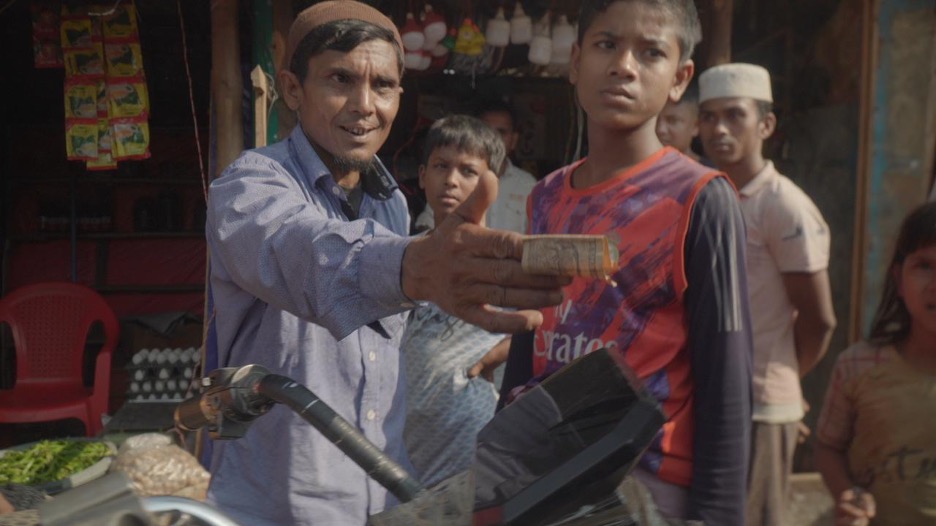
It’s hard to list all the ways the word “camp” fails to capture the scale and complexity of this place. But quickly, a visitor can find themselves thinking, “It’s not as bad as I expected.”
Once I found my bearings, the grounds started to feel familiar. I’d address the teashop owner behind his counter as “boss,” like everyone else, wave at the kids loitering near the shelters where we were filming, and ask the NGO hospital staff if I could use their bathroom (again). The dusty paths became navigable. Our filming days settled into a rhythm. I felt safe—even comfortable.
But all it took to snap me out of it was the rumble of a World Food Programme truck rolling by. Or a glance at my interview notes about slain husbands and conscripted brothers, children who had died on the long walk to the river Naf. Or someone casually mentioning the year of their arrival—as if eight years of confinement, with nowhere else to go, were an incidental detail. The surface-level comfort would crack just enough to remind me where I was.
Despite being erected as a temporary solution, the camp has evolved into a layered ecosystem over the past eight years. More than a million people live here, alongside dozens of NGO structures that keep the wheels turning. Under the strain of forced displacement, men still joke about who has the most handsome facial features. Women still boast about their mastery of iftar dishes served to break each day’s fast. Teenagers still stress about Facebook follower counts and whether a post will get enough engagement. The weight of confinement doesn’t make these micro-dramas inconsequential—it makes them feel more alive
Eight years is a long time to be stuck. But camp life and my crew of Rohingya camp-residents showed me how quickly people can adapt—not because it’s easy, but because survival demands it. And in that daily rhythm of coping—small tasks, familiar faces, managing egos—urgency doesn’t disappear. It just morphs into something quieter. I kept thinking about the privileges I had exercised during that same span of time, some personal, some practical. I had changed careers, moved countries, opened bank accounts. Each action would have been nearly impossible here without documentation, legal status, or mobility.
*
When filming a documentary, I often have to think in two modes at once. One part of me wants to stay present and go along with what unfolds. The other worries about continuity, logistics, and whether what we’re capturing is authentic.
We had made it clear to the family we were filming right at the start: please don’t prepare anything for us. We wanted it to be as if we weren’t there. No special treatment, no extra food. It wasn’t just about honesty on camera, but about not adding strain to the already-stretched resources of a single, widowed mother in her mid-twenties caring for three children, sharing a temporary shelter with three other families. She nodded and said she understood.
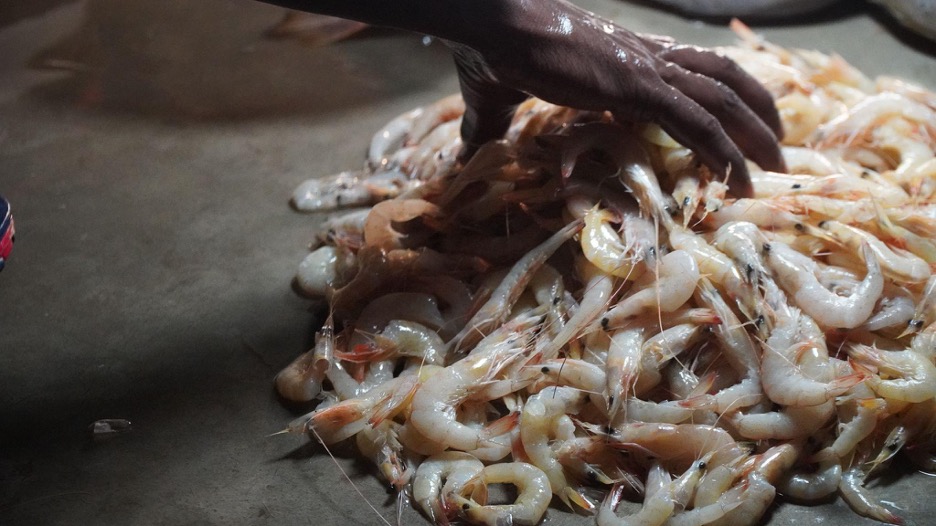
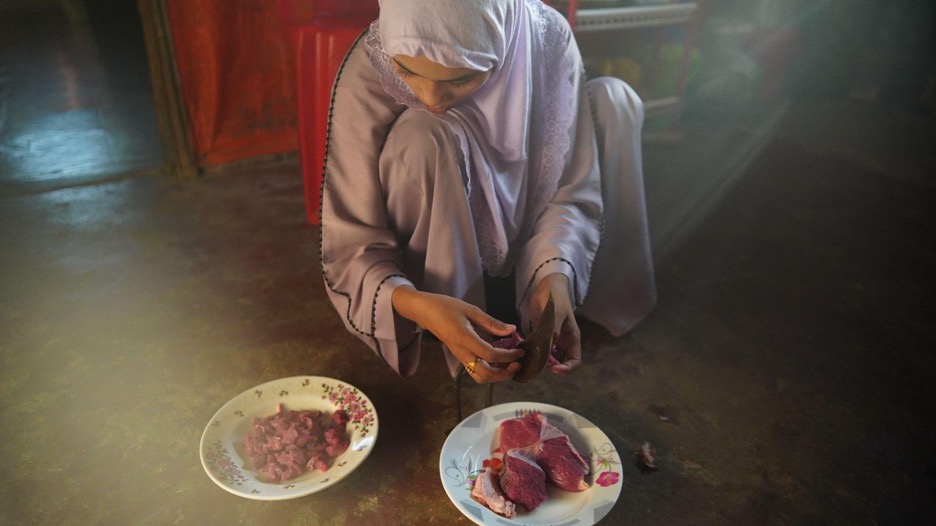
But on the day of the shoot, the smell of frying chillies started to fill the dark two-by-three-meter backroom where she cooked. She waited for the call to prayer, broke fast—and just a few bites in, she turned to us. Without a word, she began moving plates of food and cups of water toward our crew. The gesture was familiar, warm, and completely against our requests.
I hesitated. My first thought was: this changes the scene. They’ve made more food than they normally would. Moving the plates would create sudden jumps in the visual, disrupting what filmmakers call continuity. But more than that, I wondered what it had cost them to extend this generosity. We politely declined, explaining that we were working, but the mother insisted—especially because our crew was fasting too. We gave in. Each of us took a samosa. We asked her to serve the rest to her kids in the other room.
I felt conflicted. Even before we started filming, I had worried about taking up our subjects’ energy, and now we were taking food from families already rationing for survival. While the camera was still rolling, my mind traced these tangles. I remembered something that brought another pang to my chest. The samosas hadn’t even come from the mother’s kitchen. They were bought by her brother, who had quietly dropped them off earlier. We had spoken to him before—he was suffering from hypertension, and had a large family of his own to support.
Two households had gone out of their way to host us. They’d refused to let us spend iftar with them without sharing what little they had.
As much as I try to be a quiet observer behind the camera, relationships form. You can’t spend a month in someone’s shelter and pretend you’re invisible. The Chinese side of me knows it’s a cultural sin to refuse food—or worse, to eat alone. The instinct to share food runs deep. In many cultures, generosity isn’t conditional on abundance. Even in the harshest conditions, some values are non-negotiable.
*
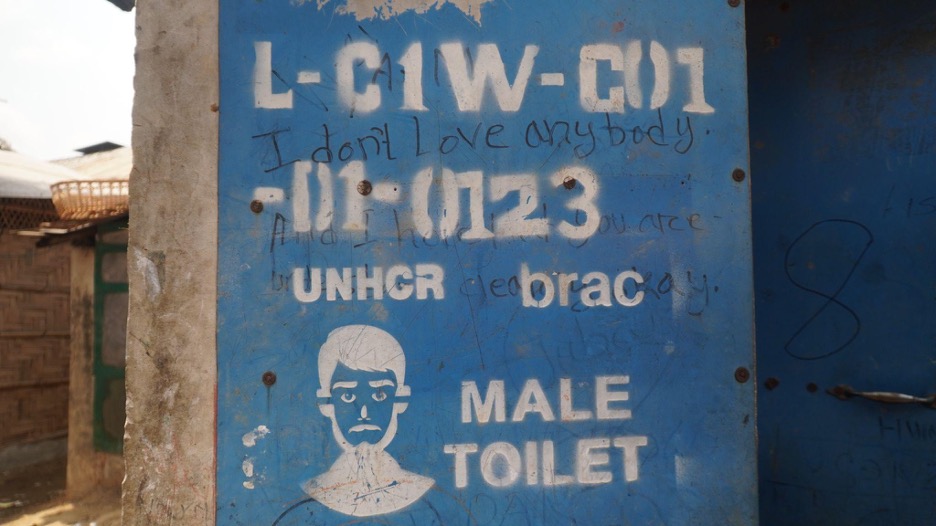
As my days went by, I began to understand how much of life in the camps was shaped not just by displacement, but by the systems built to manage it. Geography, authority, and accountability formed a web that wasn’t always easy to navigate. Even pinpointing a shoot location wasn’t straightforward. Every time I wanted to return to a specific spot, I struggled to decode the array of numbers and letters I’d scribbled in my notebook that were supposed to indicate where I was on the map
The camps are divided by numbers—sometimes with a letter or the word “extension” appended. The logic behind the naming reveals more about the scale and expansion of the crisis over time than it does about how to navigate it. For Camps 1E and 1W, and 2E and 2W, the naming still attempts to indicate cardinal directions and the sites’ proximity to each other. Camps 3, 5, 6, and 7 go by number alone. Camp 4 neighbors one called Camp 4 Extension, which sits next to Camp 17, which borders Camp 20 and Camp 20 Extension. Camps 14, 15, and 16 form their own cluster. Camp 21 isn’t connected to any of the others; neither is Camp 22.
Roughly ninety minutes south by road, another cluster known as the Teknaf camps hugs the Myanmar border near the Naf river. And then there’s Bhasan Char—an entirely separate island housing refugees in the Bay of Bengal, three to five hours away by boat, isolated from the rest. I didn’t make it there.
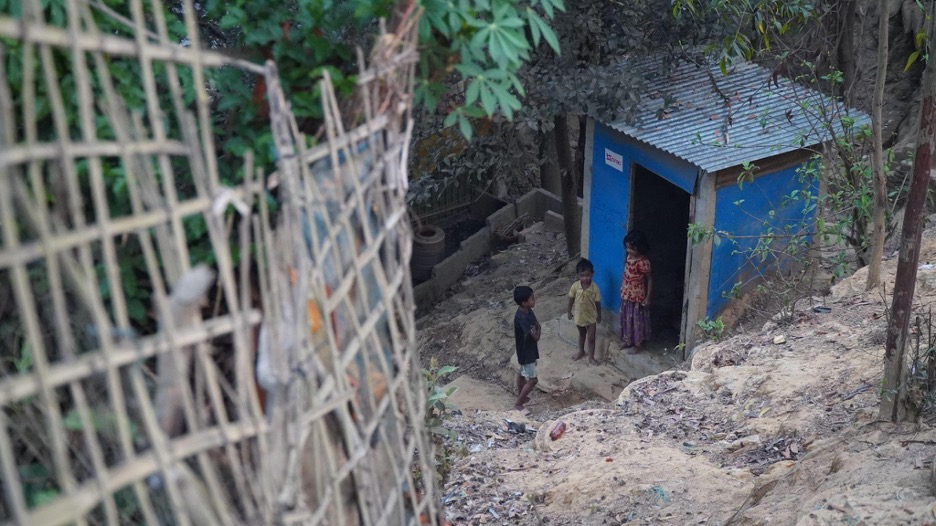
Gradually, I started tracking how power moved through the camps—who made decisions, whose voices carried weight, and where agendas clashed. While each camp had its own intricate system of power brokerage, and some camps were considered more dangerous than others, all of them fit into an overarching hierarchy.
At the top of the camp structure sits the RRRC—Refugee Relief and Repatriation Commissioner—the highest Bangladeshi government authority overseeing the camps in Cox’s Bazar. Anyone seeking access must pass through their permission process. Each camp is managed by a Camp-in-Charge, appointed by the RRRC, responsible for liaising with NGOs and security forces like the Armed Police Battalion and Ansar, a paramilitary auxiliary force. Beneath them are majhis—Rohingya community leaders who oversee a block, pass along information, and help manage day-to-day life across the shelters.
On paper, it’s a system meant to coordinate, protect, and resolve conflict. In practice, it’s far messier. Some majhis have been accused of corruption and favoritism, especially around aid distribution and cooperation with security forces. The Armed Police Battalion has faced repeated allegations from human rights groups, including extortion and abuse. Some Camp-in-Charge Commissioners have drawn criticism for opaque decision-making about which services are allowed in their camps. And the RRRC has come under fire for pushing to repatriate the Rohingya to Myanmar, but without the guarantees on citizenship, rights, dignity, and safety that have been advocated for—seemingly moving the focus, in other words, from helping them to controlling them.
My own project didn’t involve documenting or investigating this chain of command. But letting the different Camp-in-Charge Commissioners know we’d be filming in their camps was both courteous and good practice in case of any security issues. Some Commissioners rushed through my visit, interrupting my introduction and picking up multiple phone calls mid-conversation. One, though, studied my printed concept document and shot list thoughtfully. When I mentioned my director of photography was Rohingya and lived in the camps, the Commissioner lit up. He asked him to come into the office, praised his work, and offered to help if we needed anything.
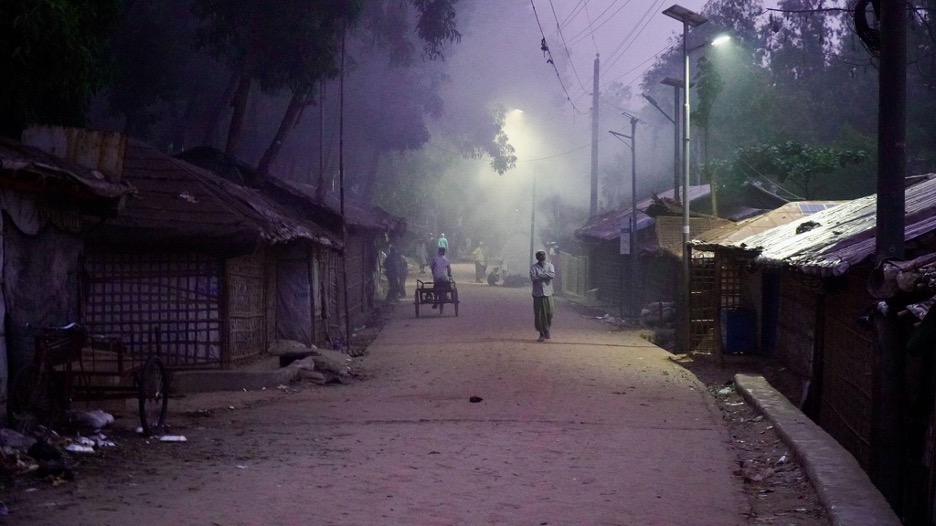
Weeks later, we were filming just after dawn prayer when a group of men standing outside a mosque approached us. They asked if we were “the same volunteers” who had come by a few days before. Earlier that week, a group had come to distribute food and the men were upset that after taking pictures of them, the volunteers had packed everything up and left, taking the food with them.
Appalled, I shared the incident with the Camp-in-Charge Commissioner who had shown interest in our project. He asked for details—the date, the name of the organization, and the block. He messaged back:
If that type of incident happened during my tenure I will definitely take necessary action.
I’m sorry, that was completely humiliating.
We went back to the men to collect more specifics. They gave the name of the donor, the name of the head majhi of the block, and the date the event took place.
We passed the information on. After an hour and a half, the Commissioner texted back. He said both the donor and the majhi had denied all knowledge of the event. “Most of the Rohingyas have the tendency of telling lies,” the Commissioner wrote.
That last line caught me off guard. It felt hostile—and unprofessional coming from an authority figure. It seemed unlikely that a group of men would fabricate a story like this at the crack of dawn. What would they stand to gain?
My crew members weren’t surprised by the Commissioner’s response. They had grown used to the stereotyping and sometimes damaging claims made by those in charge. Only then did they tell me something else: on the day I had introduced our project at that Camp-in-Charge’s office, several members of an armed group had walked in as we were leaving. My team had recognized them.
Suddenly, I questioned my impression of the Commissioner. Why had the armed group visited his office? How did the warmth, compliments and offers of help line up with what my crew had shared? In a place governed by overlapping authorities, everyone seemingly had their own lines to toe, stories to protect, and powers to answer to.
*
Every evening, as the air cooled and the streets began to stir in preparation to break fast, I’d find myself wading through dense crowds of men. In places like Army Road and Mosora Bazar, the foot traffic grew so thick that pushing our van through became nearly impossible. Faces blurred in the bustle—some wrinkled, with deep-red henna-dyed beards, others with crimson-stained mouths from chewing betel leaf with lime. The men stood in doorways, sat on red plastic chairs, leaned on each other—waiting, watching, mostly doing very little at all.
I’m usually more attuned to the gendered struggles women face. But I feel the need to carve out space for the particular kind of pain I saw in Rohingya men. What happens when traditional masculine roles—protector, provider, dignified figurehead—are stripped away?
This question had been bothering me, but the thoughts were hard to articulate until one long drive from the camps to Cox’s Bazar, three weeks into filming. My crew members and I sat in the car, chatting about iPhones and power banks, when our director of photography asked me to share some observations of the camp. I paused, then said, “It must be difficult to be a man here—to hold on to a sense of masculinity and self-worth as a long-term refugee.”
They just nodded in response while taking my statement in. Our conversations were usually noisy and overlapping. But this landed somewhere deeper and it was a while before anyone else spoke.
I tried to explain. From what I’d seen and heard, Rohingya family structures followed a clear patriarchal hierarchy. Back in Myanmar, men were typically the breadwinners, responsible for providing for their families. That role was a point of pride. Men and women had told me that mothers, sisters, and daughters were not expected to earn an income. Providing food, water, shelter, and safety were considered male duties. But the realities of getting violently chased off your lands, witnessing genocide and rape, and accepting refugee status, had forced men in the camp to grapple with their failure to uphold their traditional responsibilities. Even if that failure was due to circumstances entirely outside their control, I imagined it cut deep.
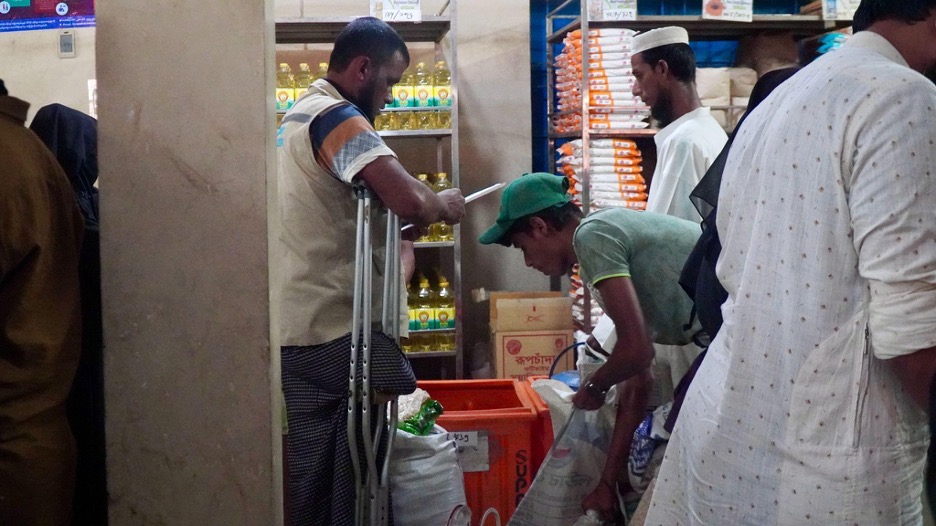
Inside the camp, the expectations set for men remain the same—but the ability to fulfill them has been stripped away. Most young, able-bodied men aren’t allowed to engage in meaningful work, build permanent homes, or labor to secure a future for their families. Instead, they’re packed into overcrowded shelters, assigned a number, and made to live off handouts. Isn’t that both infuriating and deeply humiliating?
I kept wondering: what did this enforced incapacity mean for power dynamics in families, and men’s social standing in their communities? The desire to be respected and valued as a head of a household wouldn’t vanish just because a person was in crisis. But how could they earn that respect if they couldn’t provide even the basics? With the usual avenues blocked, it was easy to see how some might have tried to reassert control wherever they still could—even in ways that were destructive.
It’s obvious why toxic dynamics fester in places like this. Substance abuse, online gambling, and connections to armed groups offer distraction, a sense of agency, and potential payouts. Our producer explained that many young men get drawn into illegal activities gradually. It might start with something small—holding on to a package, making a delivery, earning a few bucks. But that small sense of purpose and accomplishment can give shape to the day. And when bigger, more morally murky requests come in, they’re harder to refuse—especially if your family’s safety is used as leverage.
During our month of filming, the armed groups were the one subject my crew stayed cagey about. Early one morning, while we were filming preparations for sehri, the last meal before each day’s fast begins, rumors spread that the leader of the Arakan Rohingya Salvation Army (ARSA)—one of the armed groups active within the camps—had been arrested in Dhaka on charges of murder and militant activity. I wasn’t aware of the news, but noticed men approaching our car, their body language guarded, their voices low. Something felt off. When I asked what was going on, my crew hesitated and said they’d explain later.
After we drove off, my crew shared the news with me and cautioned that ARSA had many supporters in the camps. Despite their being linked to violence and extortion, many camp inhabitants saw them as the only group actively pushing back against the Myanmar Army. Some even viewed them as charitable or protective of the vulnerable. I could imagine the appeal of supporting a faction that appeared to be doing something, after having faced years of persecution and displacement.
What else could one expect from taking hundreds of thousands of capable men, and prohibiting them from earning a proper living?
Involvement in armed groups and criminal activities is not the only way men respond to the loss of power their circumstances inflict. As history shows us, when men are under strain, the women around them suffer more. There have been reports of rising sexual and gender-based violence against women in the camps—mostly from their intimate partners.
The women I spoke to in the camps often felt the need to highlight when a man did not beat his wife. This would come up unprompted in response to my questions: “What do you and your husband talk about?” “What do you miss about your husband?” If I were asked to describe my partner, it would not have occurred to me to say, “He never beats me.”
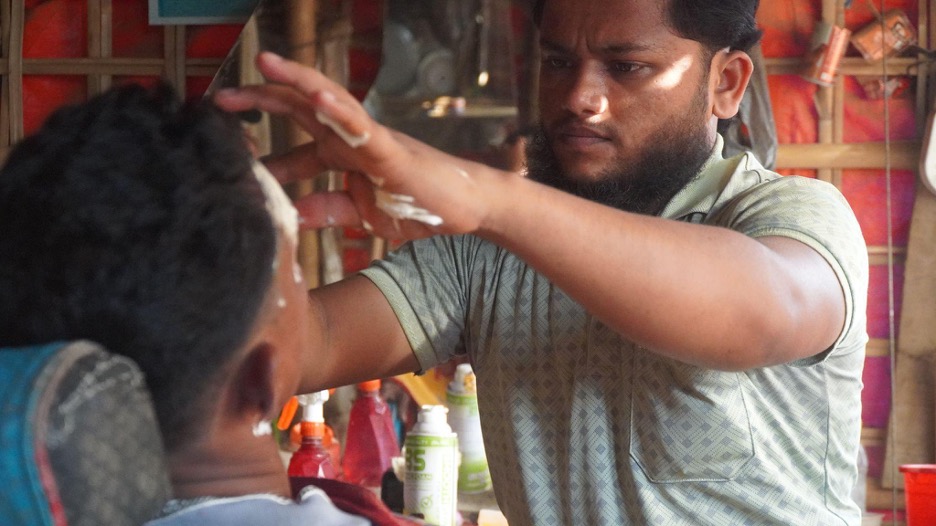
Of course, it is immensely challenging for people to deal with hardship and cope with forces beyond their control. But during my month inside the camps, I met incredible men who managed to stay positive and motivated, men who carved out purpose while having very little to work with, men who became quiet role models for the next generation: stallkeepers, photographers, rickshaw drivers, motivational speakers, barbers, human rights advocates.
Across the camps, boys’ faces lit up when they saw these men working—making time to mentor, to encourage, to show what dignity can look like when you have every reason to check out. I held a deep respect for the grace with which they moved through their difficult realities—and for the way they resisted the dark pull of fleeting control.
*
Filming inside the camps wears on you in a particular way. Even more than the heat that leaves you sweat-soaked before noon, it’s the constant visibility that’s exhausting. As a foreigner, I stood out. Every time I stepped outside, it took less than a minute to draw a crowd. Children, mostly. Sometimes, men. Curious, restless, eager for anything that might break the monotony of the day. It wasn’t threatening, just relentless. Questions, stares, laughter. One kid would spot the camera, then three more would show up, then ten, forming an energetic wall.
I was told that foreign-looking visitors were more common in the early days of the crisis, back in 2017 and 2018—when the world still seemed to care. That kind of attention has faded. But the curiosity of Rohingya children about the world beyond the camp fences still flickers, undimmed by years of waiting.
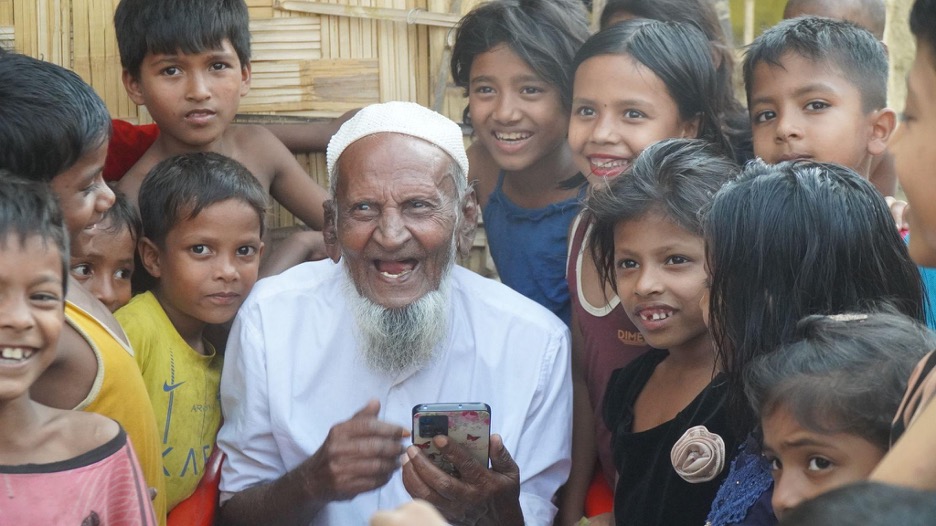
When crowds thickened while we were waiting, I’d try to be present rather than tune them out. I’d look into the kids’ eyes. So many eyes. Some wide with mischief, some reluctant, others watchful and shy. Some kids beamed at me, proud to be seen. Others just hovered, unsure. Once in a while, someone would break from the circle. Usually a young man, maybe in his late teens. He’d come over and ask, politely, if we could talk.
At first it was small talk. “Where are you from?” “What are you filming?” But quickly, the conversation would shift. Without fail, they’d get to the point: the lack of opportunity. The desire to be seen as more than a refugee. The fear that their ambitions, work ethic, and smarts would mean nothing here. Without exception, they explained how little opportunity there was for someone like them.
They weren’t just venting. They were making a case; trying to explain what was at stake for them. Each one spoke with passion and urgency about their lack of access to (quality) education, their exclusion from formal work in Bangladesh, and their fading hopes for advancement. I admired them for taking the time to talk to me—but I also wondered how many times they’d made that same pitch. How many foreigners they’d tried to convince to care.
I was born in China’s industrial rust belt, then migrated to Europe in the early ’90s with part of my family. Cue the immigrant experience and a road that eventually led to a university degree. That was the arc I got to follow. These young men had no such path—barely even the illusion of one.
I’d always ask what they dreamed of becoming—not just to make conversation, but to understand what shape dreams take in a place like this. Almost all of them gave the same answer: they wanted to work for an NGO.
Beyond informal work like reselling goods, hauling supplies, repairing phones, and tailoring, there’s barely any employment in the camps. The most stable, best-paying work for Rohingya is “volunteering” for international NGOs, a designation that gets around the prohibition on formal employment. Helping with translation, research, or data collection can bring in between $100 and $200 per month. Payment for the few full-time roles as consultants, interpreters, and researchers can exceed $800, but these opportunities are extremely rare and hard to come by. Now, compare that to the $12.50 in monthly food rations per person—the only consistent support many families rely on. Even the lowest stipends from NGO volunteer roles offer eight to sixteen times more.
So the Rohingya teenagers’ goal made perfect sense. They were aiming for the best jobs available. But I couldn’t shake the discomfort: that the most realistic ambition here was to build a future off the very crisis you were trapped in.
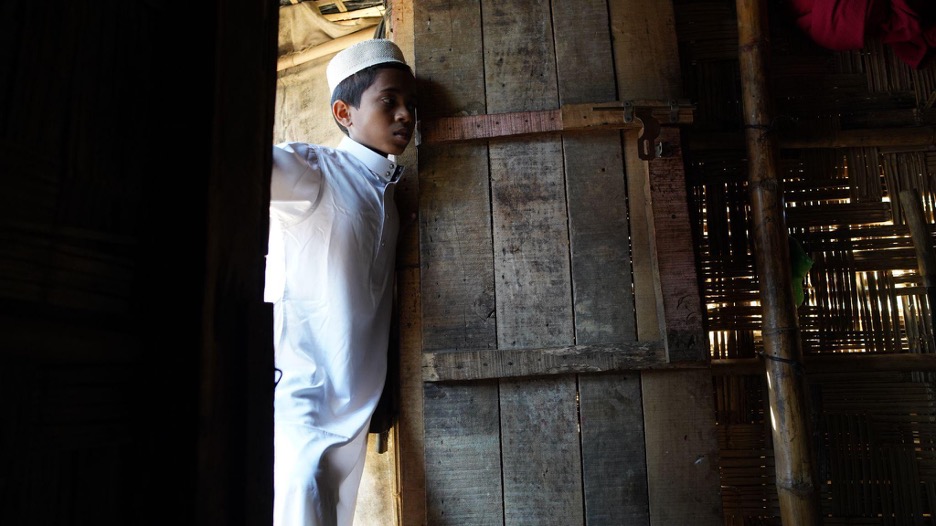
Long-term confinement can do more than limit your movement—it can reshape what you believe is possible. In prisons, they call it institutionalization. In the camps, I sensed something similar. A slow redefinition of ambition. As if the boundaries of possibility had been redrawn inside the mind.
Some people refused to be shaped by those lines.
Over the course of the month, I got to know a young woman who wanted to carve out her own path. She had piercing eyes, and her long wavy hair was mostly tucked under her scarf. At just twenty years old, she didn’t mince her words when discussing the complex crisis. Her delivery, especially when addressing injustices, was crisp and exacting.
“Due to the lack of education access back in Rakhine state, our people became illiterate. Now many men in the camps are engaging in illegal activities because they don’t have better alternatives,” she explained. “I haven’t heard of anyone with an education getting involved in armed groups.”
She told me her goal was to study political science. Not just to understand what had been done to the Rohingya people, but to learn how political systems function, how states are governed, and where power lives—or fails—in international relations and diplomacy.
As much as her determination, it was the scale of her thinking that made her stand out to me. While many others spoke of pursuing NGO work as a way to survive and advocate for their community, her sights were set on the machinery behind it all. In fact, she had quit her paid NGO job to focus on the language exam to qualify for a scholarship. Her vision was clear: if real change were to happen, it would require an intricate understanding of how power moves. She didn’t just want to raise her people’s voice or secure a better future—she wanted to understand the architecture of the world that enabled their erasure in the first place.
Having survived genocide at age twelve and sought refuge in the camps since, she had now lived there for eight years. Her parents—both educated—supported her schooling and allowed her to continue studying into her twenties, unmarried. That alone was rare.
And yet, she was also just a young woman who loved fashion. A serious cook. And a devoted fan of Lisa, the Thai member of the K-pop group BLACKPINK. When I asked if she was nervous about the possibility of earning her scholarship and leaving her family to study in Ontario, Canada, she replied without missing a beat: “I’m mostly worried the food won’t be spicy enough—what am I going to eat?”
*
Life in the camps felt personal, improvised, and human. But the systems of aid and communication there often felt absurd, or confusing at best.
Most Camp-in-Charge offices, for example, displayed a large sign reading: “Feedback and Complaint Mechanisms (CFMs).” A set of words so sterile, it sounds like it was designed to serve the system—not the people living inside it.
At one of the teashops where our crew took breaks between filming, I noticed an HPV vaccination poster tacked to the back wall. It hung upside down, collecting dust. I pointed it out to the shop owner. He laughed. It had been there for years, he said, and I was the first person to notice it.
Many awareness campaigns in the camps utilize English or Burmese script, with English the more prominent language. But the Rohingya language—closely related to Chittagonian, a regional dialect of Bangladesh—has historically been written in multiple scripts: Arabic (mainly for religious contexts), Roman (commonly used online and in NGO settings), and Hanifi (a script developed specifically for Rohingya in the 1980s). A 2018 comprehension study found that only around 32% of Rohingya could understand some simple written Burmese, Bangla or English. I wondered how many people would actually read the NGOs’ messages.
From the moment you enter the camps, it’s striking how logos, posters, and billboards cover nearly every structure and object. You see them inside shelters, on roadsides, towering above eye level. UNHCR, IOM, UNICEF, WFP, BRAC, Save the Children, MSF, WHO—their names and symbols are everywhere, stamped on water jugs, walls, backpacks, toilets, and tarpaulins. One of the more classy minimalist designs I saw consisted of logos embossed into a cement wall at every half-meter. Many of these visual artifacts appeared in various states of decay: sun-bleached, weather-warped, or half-obscured by plants reclaiming space. I thought that I wouldn’t have been surprised if even the trees started sprouting NGO logos. And I kept wondering, not about the aid itself, but about the cost of branding it all so insistently.
One sign in particular lodged itself in my mind—partly because of its bluntness, probably by design:
Child Marriage Means –
Early Pregnancy
Early Death
If you witness child marriage,
STOP and CALL
16670 (TOLL FREE)
It was hard to miss. The message was direct, urgent, and left me with a lot of questions.
Arranged marriage at a young age is commonplace in Rohingya culture. The practice of dowry payments (outlawed in Bangladesh, but the ban is not enforced in Rohingya camps) contributes to higher rates of child marriage. Families face impossible choices—many mouths to feed, safety concerns, extra financial strain if something goes wrong. Cultural norms may shape the framework, but desperation sharpens its edges.
In fact, an unmarried daughter is sometimes seen as a liability families simply cannot afford. Even the young woman with piercing eyes, who seemed in control of her life trajectory, wasn’t spared from abduction by a crowd of men. Having her family’s support to remain unmarried, and pursue higher education instead, didn’t insulate her from the dangers of camp life. Her brother was only able to bring her back safely because they had earned enough money through NGO work to meet the ransom demand.
I asked my crew, “Do people actually call that toll-free hotline?” I got eye rolls. Reporting on other families’ and one’s own marital practices wasn’t common, they explained, probably because everyone had grown up in an environment where this was normalized. Besides, the hotline offered a broad range of assistance. People called it to register newborns, to request bamboo, tarpaulin, or rope for their shelter. Also, our producer said he had called the number many times—usually with no answer. “Once they picked up after several attempts,” he told me.
Were signs and posters really the best delivery system for public messaging here? From what I observed, many people spent a lot more time on Facebook than on staring at faded signage.
One of the content creators we followed was a fifteen-year-old with 72,000 followers on Facebook and Reels, making posts that garnered more than 230,000 views. Most of his reach was within the camp and his content was in Rohingya, so the monetization picture wasn’t great. But his relevance? Undeniable. He was the first rapper in the camp—blending traditional love songs with rap, and was now branching out to conducting interviews and covering camp football tournaments. When I left, he and his friends were filming the first Rohingya action film, complete with dirt road stunts—the impressive results suggested that perhaps they should’ve been hired to design the public health messaging instead of the NGOs.
*
There are no easy takeaways. No tidy solutions. But I still think it matters to pay attention—to notice the quirks, small triumphs, and unfinished thoughts of the individuals behind the statistics. The details that don’t make headlines, but tell everything else. As a documentary maker, it’s the least I can do.
Five days after I left Cox’s Bazar, my crew sent a video from that same teashop where we used to take breaks. I messaged back immediately: They renovated! New prints on the walls. And the HPV vaccination poster is finally right side up.
They sent a close-up of the poster and wrote back: The owner fixed it for your next visit. You seemed obsessed with it.