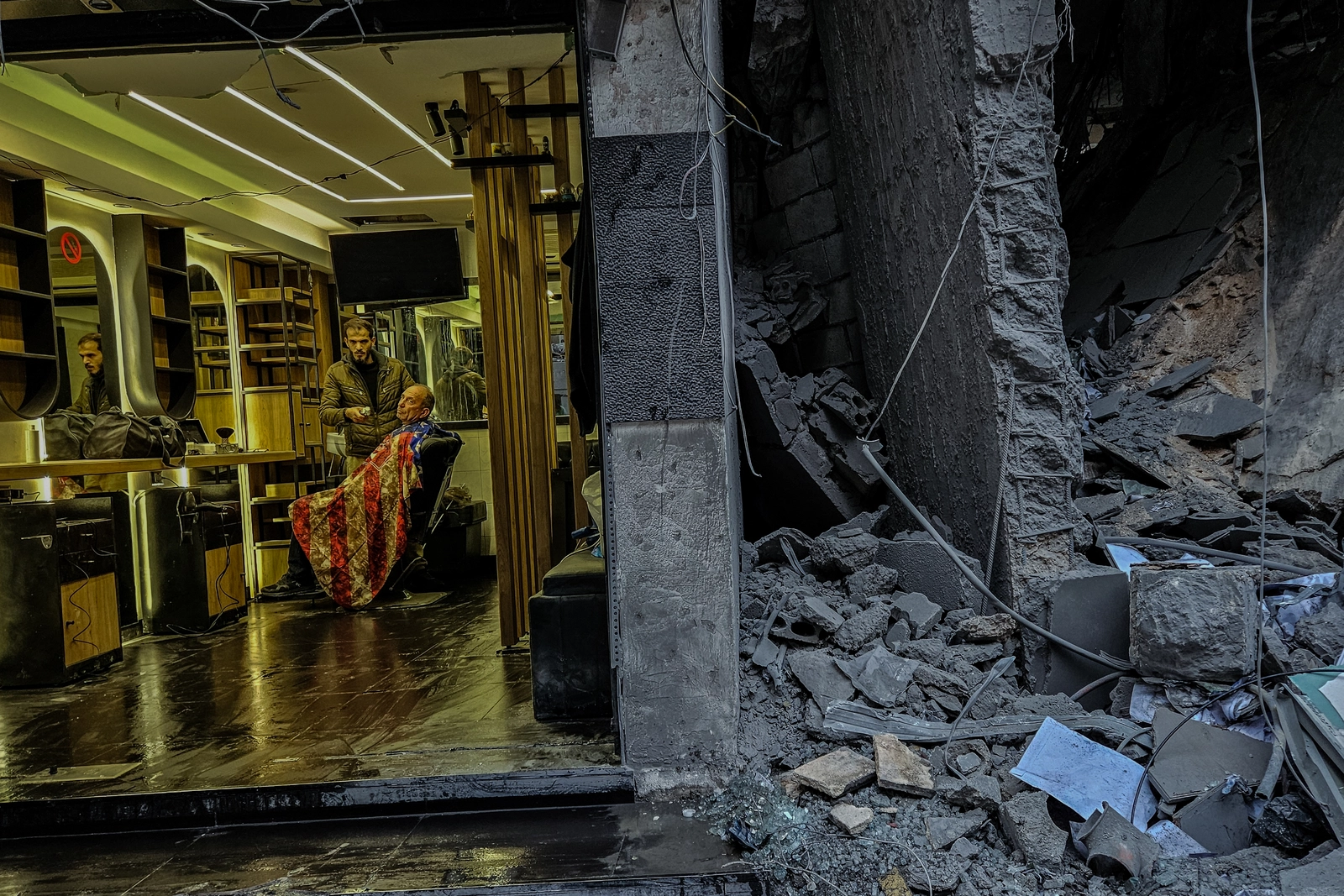
A Lebanese man gets a shave at a barber shop while draped in a gown patterned with the American flag, beside a building bombed by Israeli forces the day before in the central Beirut neighborhood of Bashoura. Beirut, Lebanon, March 14, 2026.
Over the past two weeks, Lebanon has once again been drawn into a full-scale regional war. The escalation began on February 28, when the United States and Israel launched coordinated strikes on Iran, which responded by retaliatory attacks on US bases throughout the Gulf. Iran’s ally, Hezbollah, then entered the confrontation, launching missiles from Lebanon into Israel, or what many in Beirut refer to as Occupied Palestine.
In response, Israeli forces intensified bombing in Southern Lebanon and Beirut’s southern suburbs, issuing mass evacuation orders that forced over 800,000 people–around 14% of the total population–out of their homes.
War, however intolerable, has become a recurrent reality in Lebanon. For a Lebanese person in their early twenties who has never left the country, this would be their third time living through war. They are already all too familiar with the drowning sounds of Israeli military drones and the frequent booms of airstrikes. But familiarity does not soften the sharp edge of fear or outrage.
Lebanon is facing one of its gravest humanitarian crises in decades, as sectarian tensions sharpen and Israeli forces hit not only armed targets but also homes, buildings and neighborhoods carrying decades of lived history.
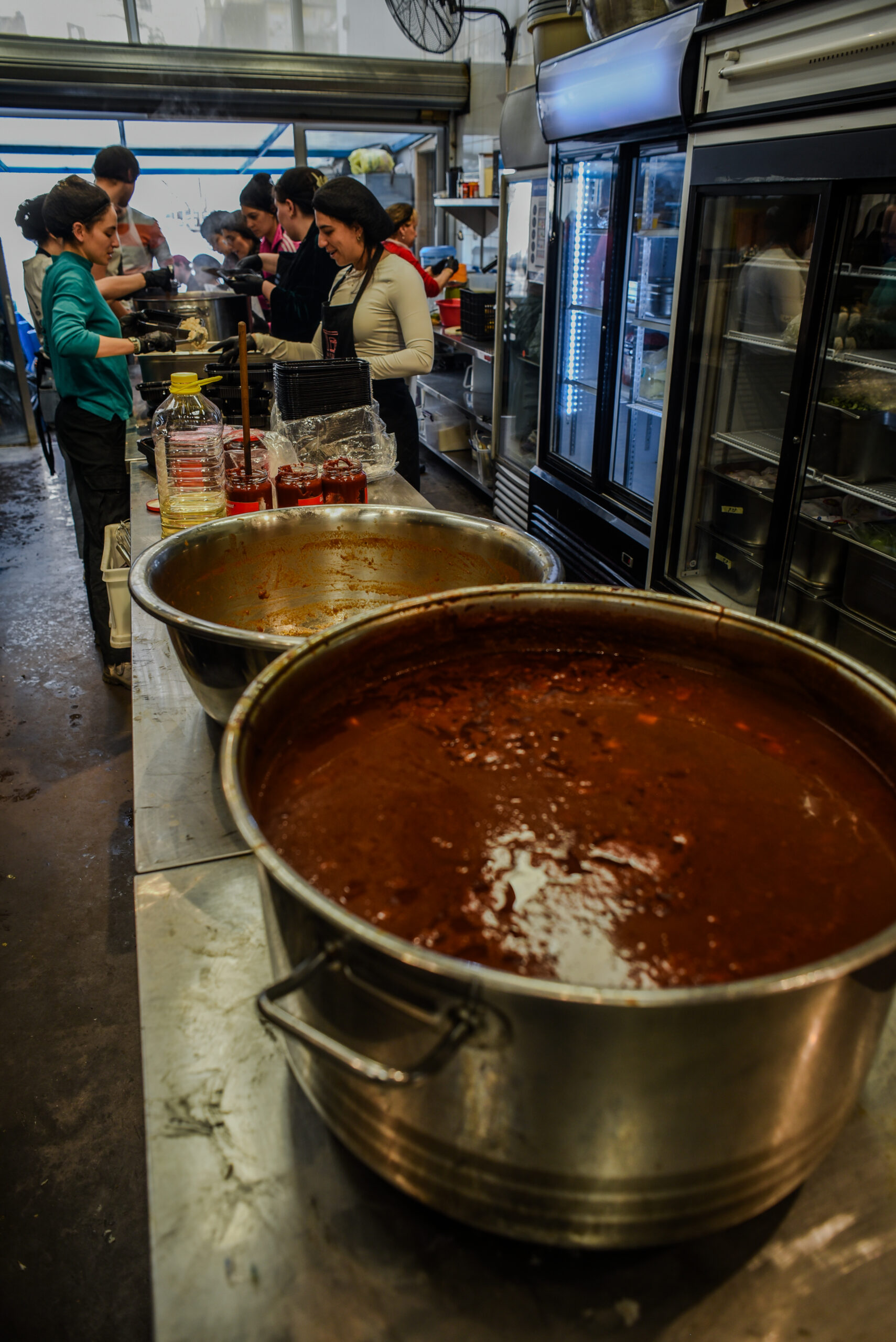
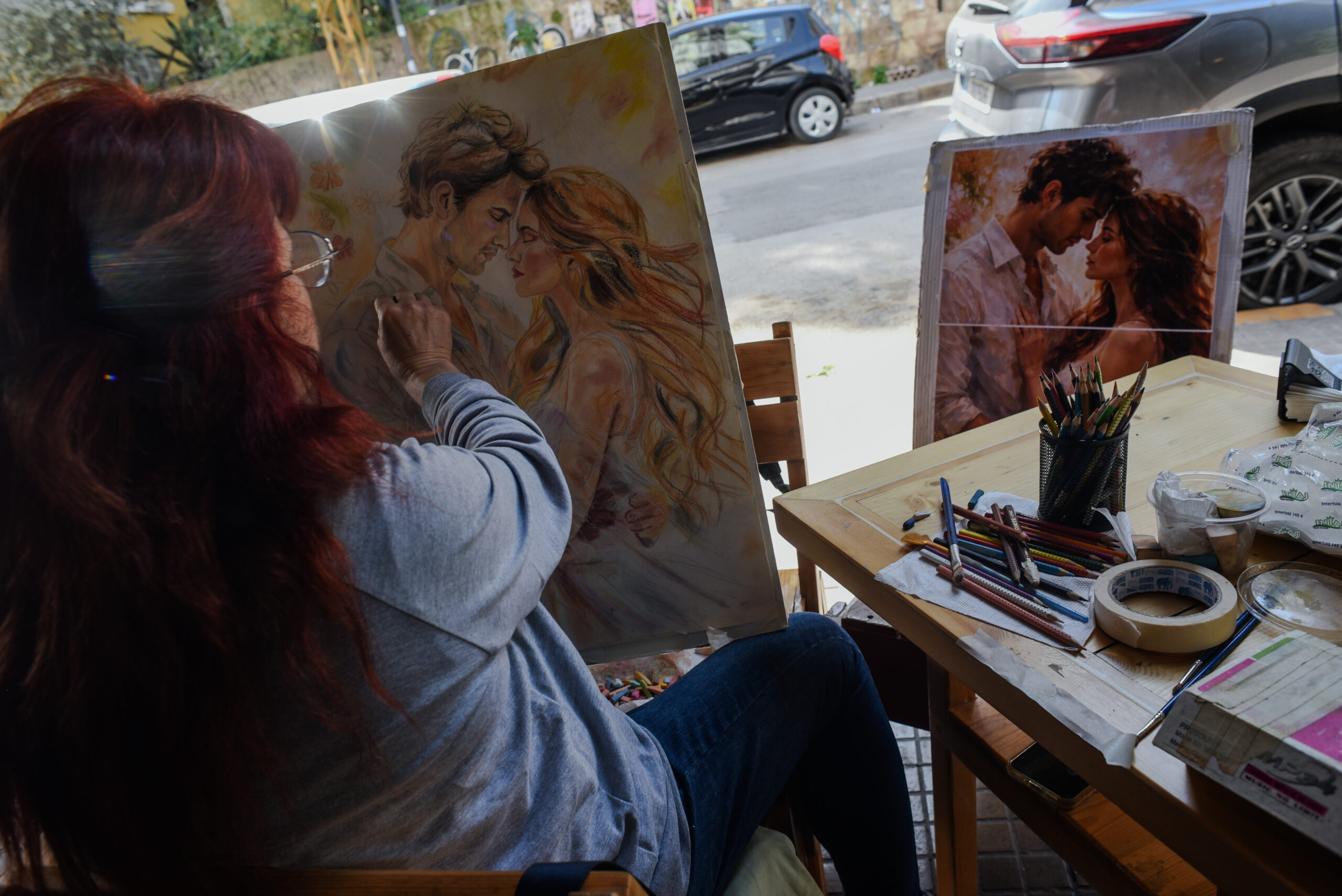
Still, life persists. Shops remain open. Bars are busy with people talking politics. Aspiring artists sketch romantic portraits. And cafes and bookshops have morphed into community kitchens, where volunteers prepare meals for the thousands of displaced families.
This photo essay emerges from walks through Beirut during one of its darkest moments. Beneath the devastation–much like the rising phoenix it is stereotypically likened to–the city’s solidarity endures.
Alex M. Durie for Guernica, March 15, 2026.
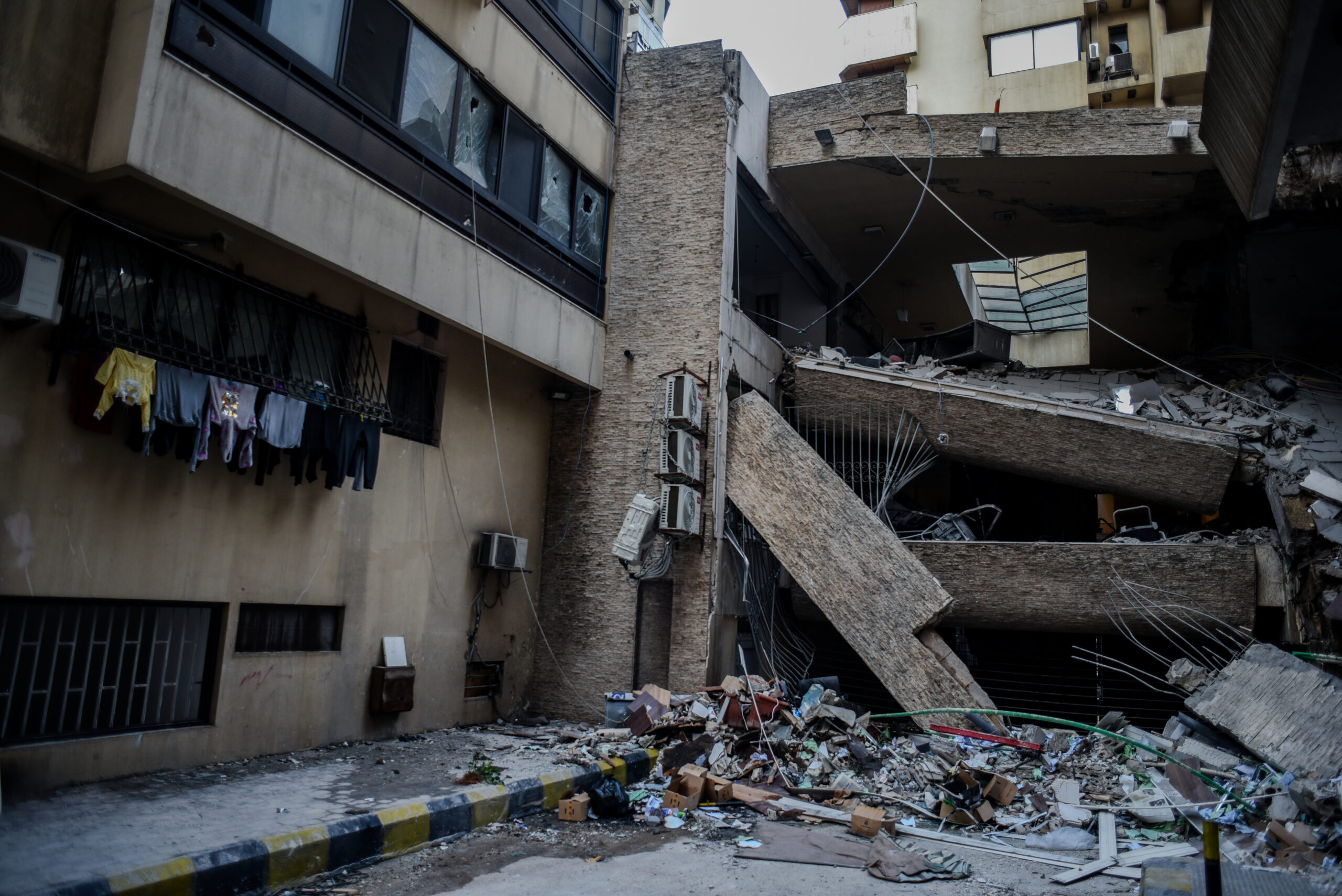
A destroyed building in the central neighbourhood of Bashoura, Beirut, a day after an Israeli airstrike. March 14, 2026.
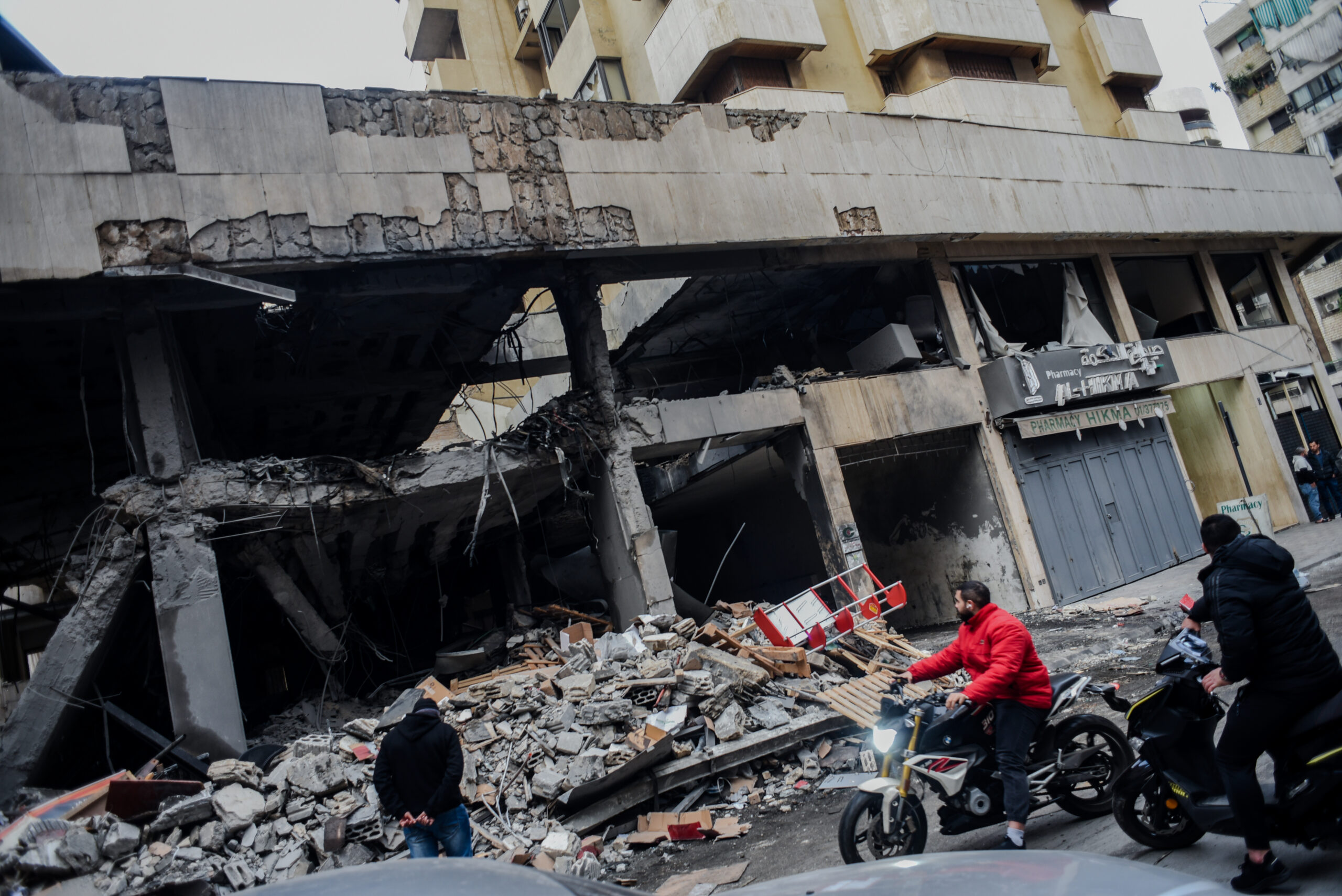
Passersby observe a building one day after it was bombed by Israeli forces in the Shia-majority neighbourhood of Bashoura, near central Beirut. March 14, 2026.
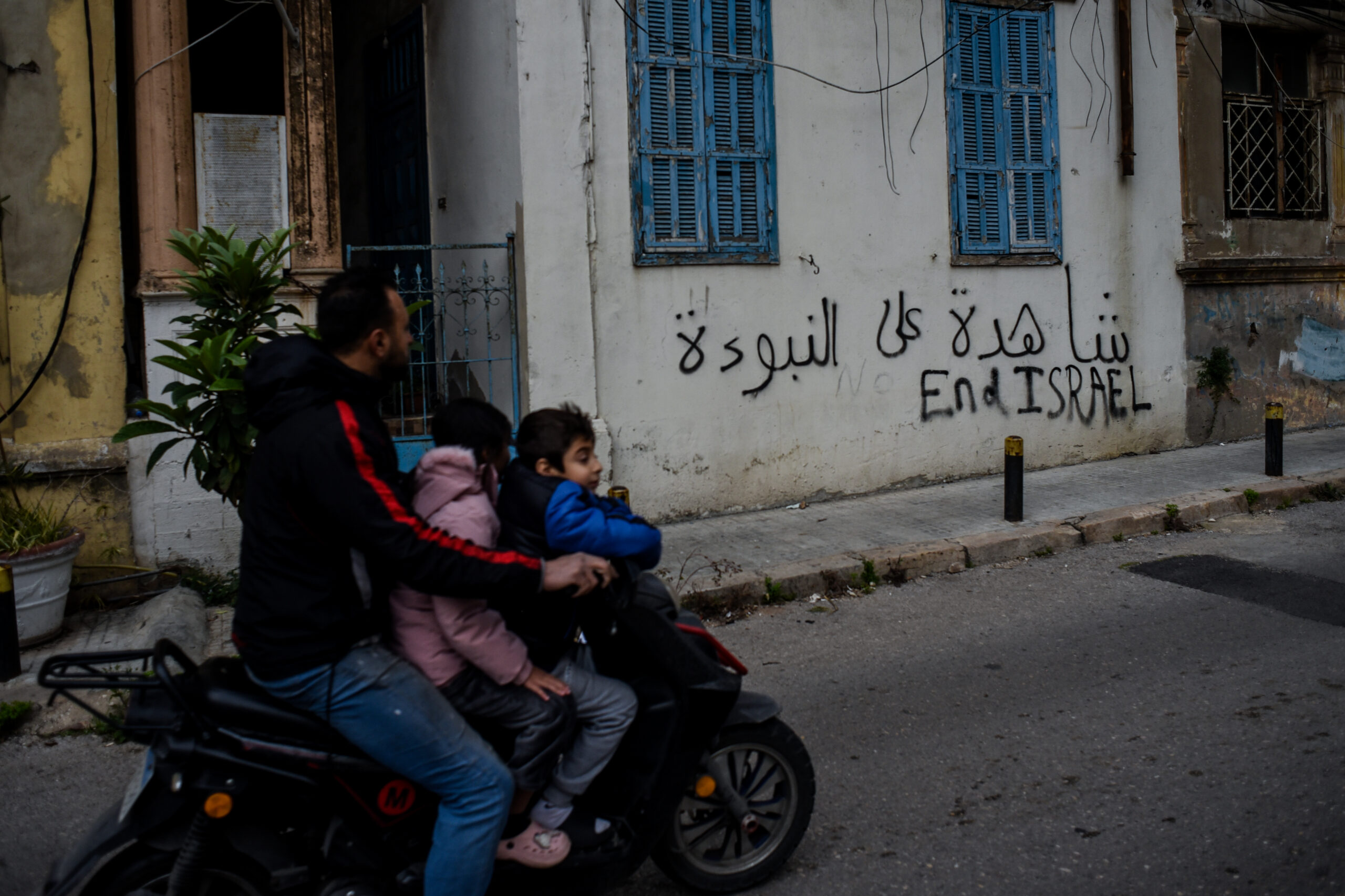
A Lebanese man and two children drive past graffiti that reads “Witness to the Prophecy” in Arabic and “End Israel” in English, near central Beirut. March 14, 2026.
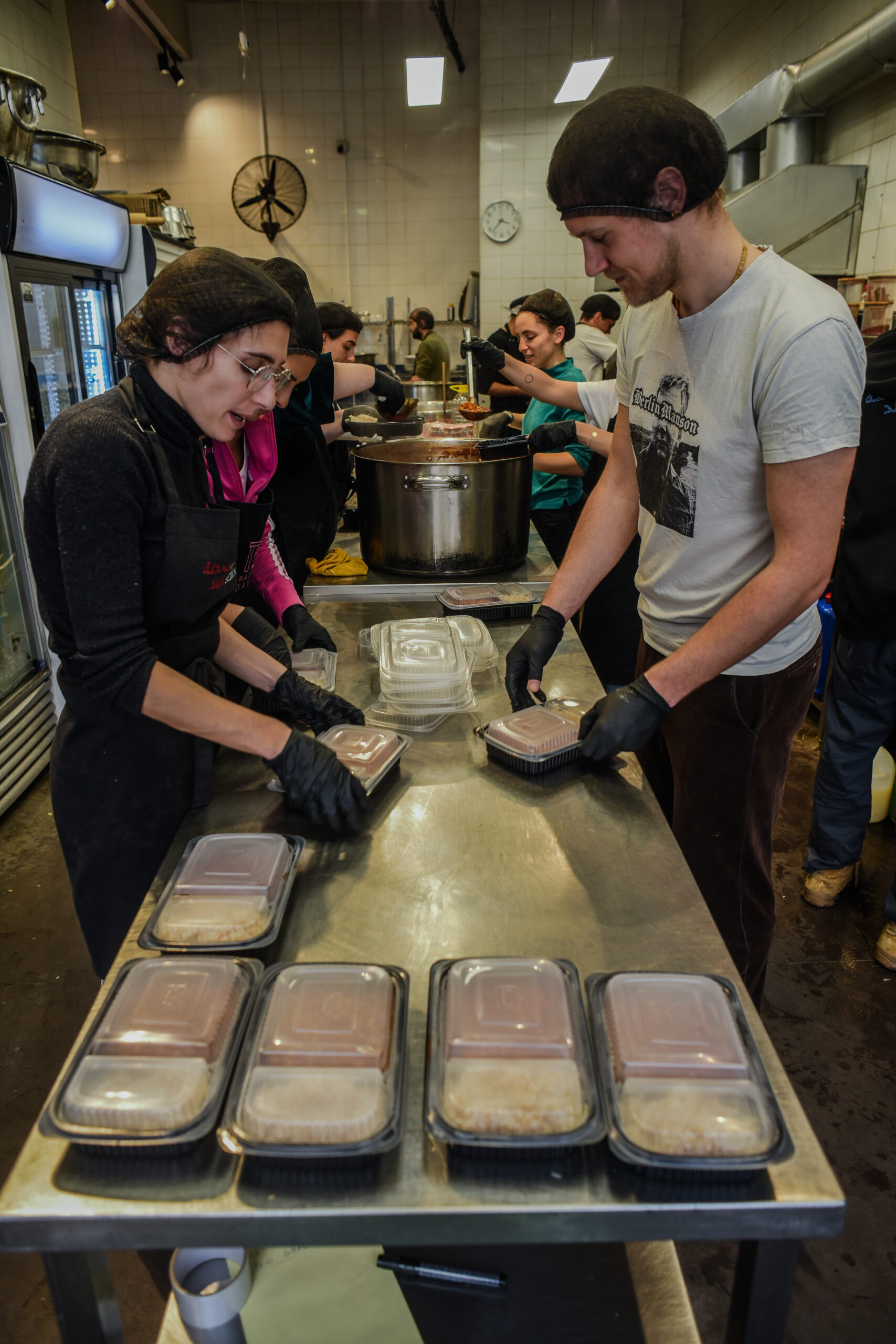
Volunteers prepare food at a makeshift community kitchen called Nation Station in Geitawi, East Beirut, which opened its doors during this crisis, as it did during the last war with Israel in 2024, to feed thousands of displaced people in Beirut. March 14, 2026.
Volunteers pack food at Nation Station in Geitawi to be delivered to displaced people in Beirut. March 14, 2026.
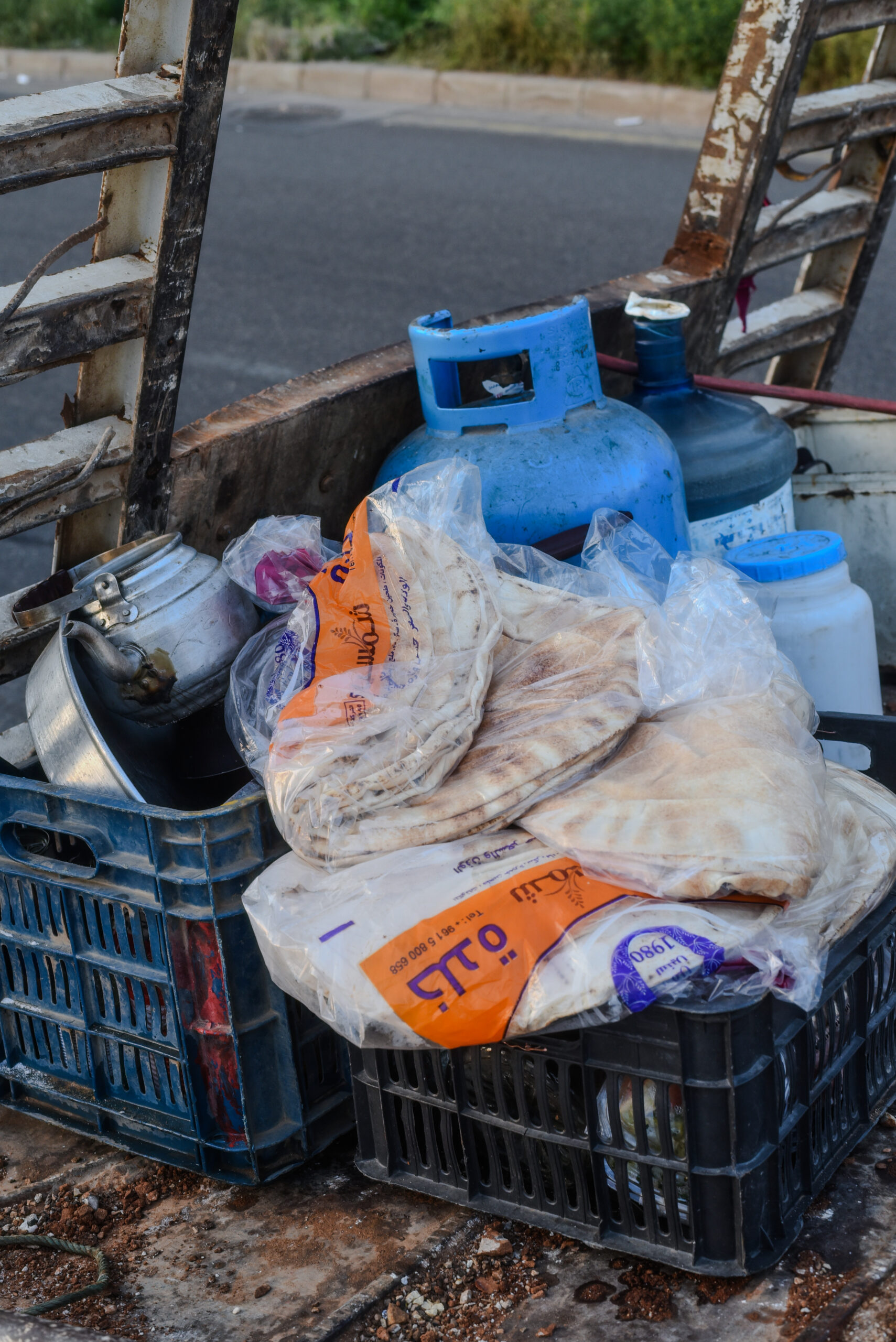
The essential needs of a displaced person at the back of a truck near the Beirut seafront: gas, teapot, cooking utensils, and bread. March 13, 2026.
An aspiring artist painting a picture of a couple embracing in a cafe in Mar Mikhael, east Beirut. March 14, 2026.
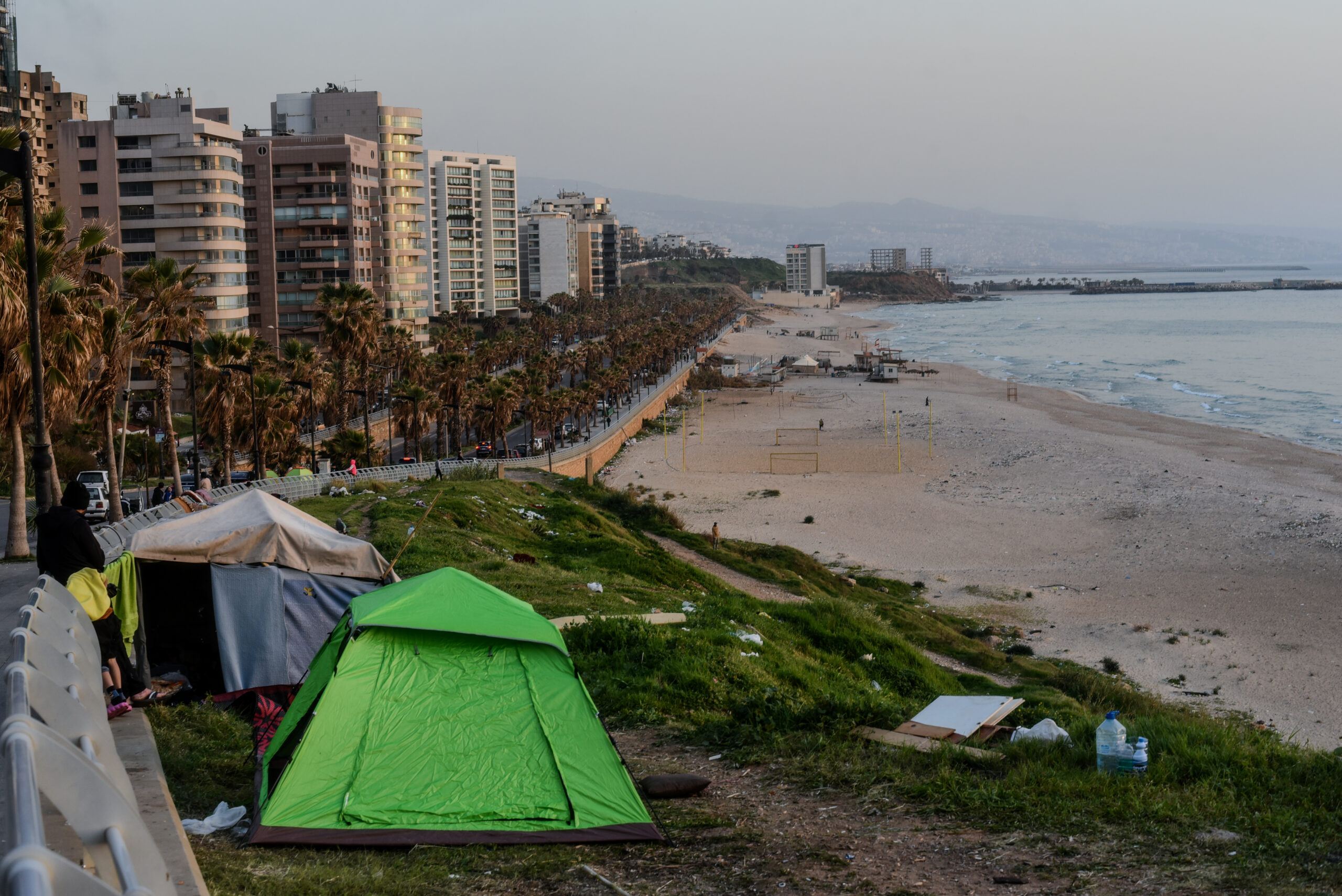
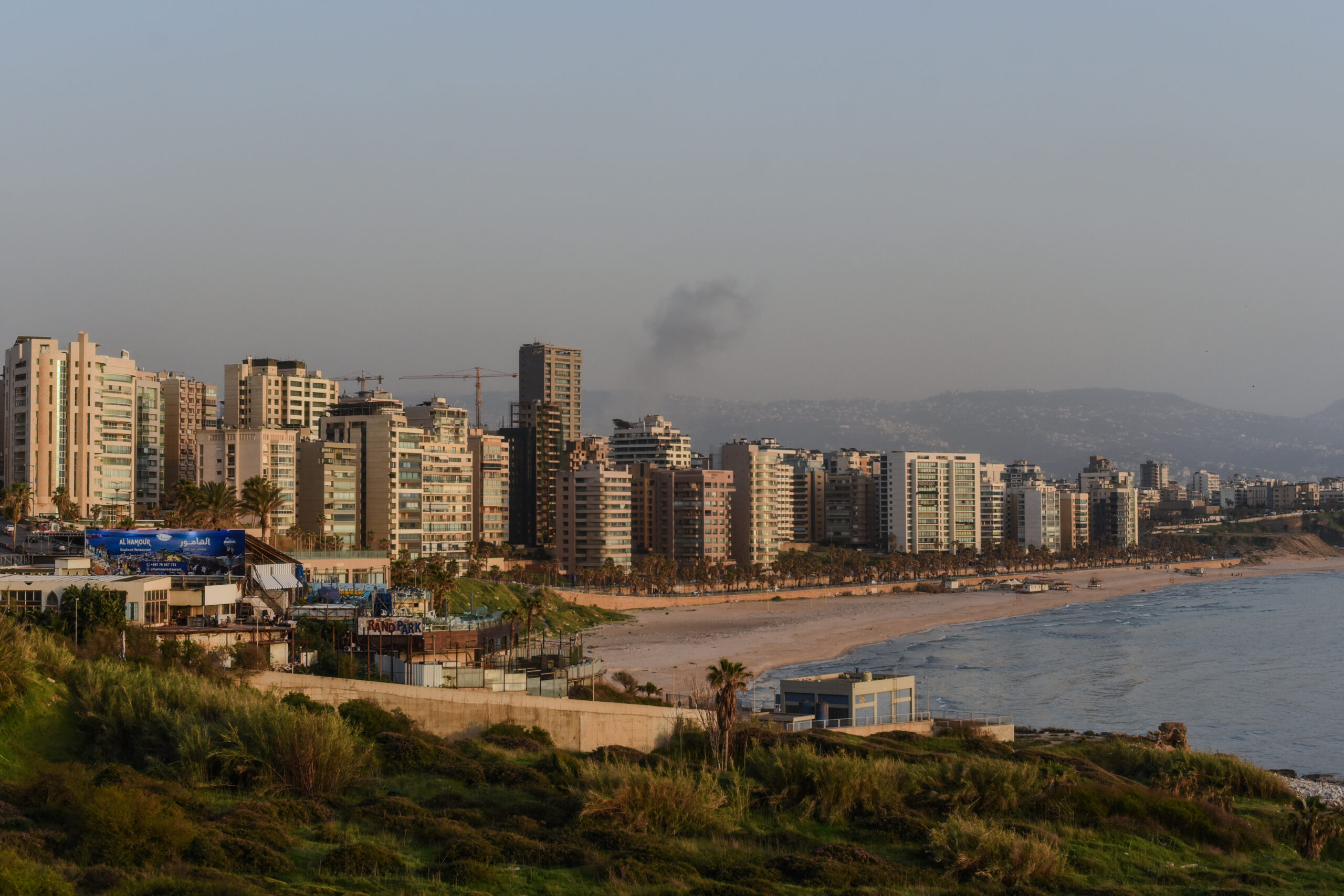
A view over the beachfront of Ramlet el Baida, the main sand beach in central Beirut that has now become a site where many forcibly displaced people have set up tents, photographed a day after Israeli forces struck the area and killed eight people. March 13, 2026.
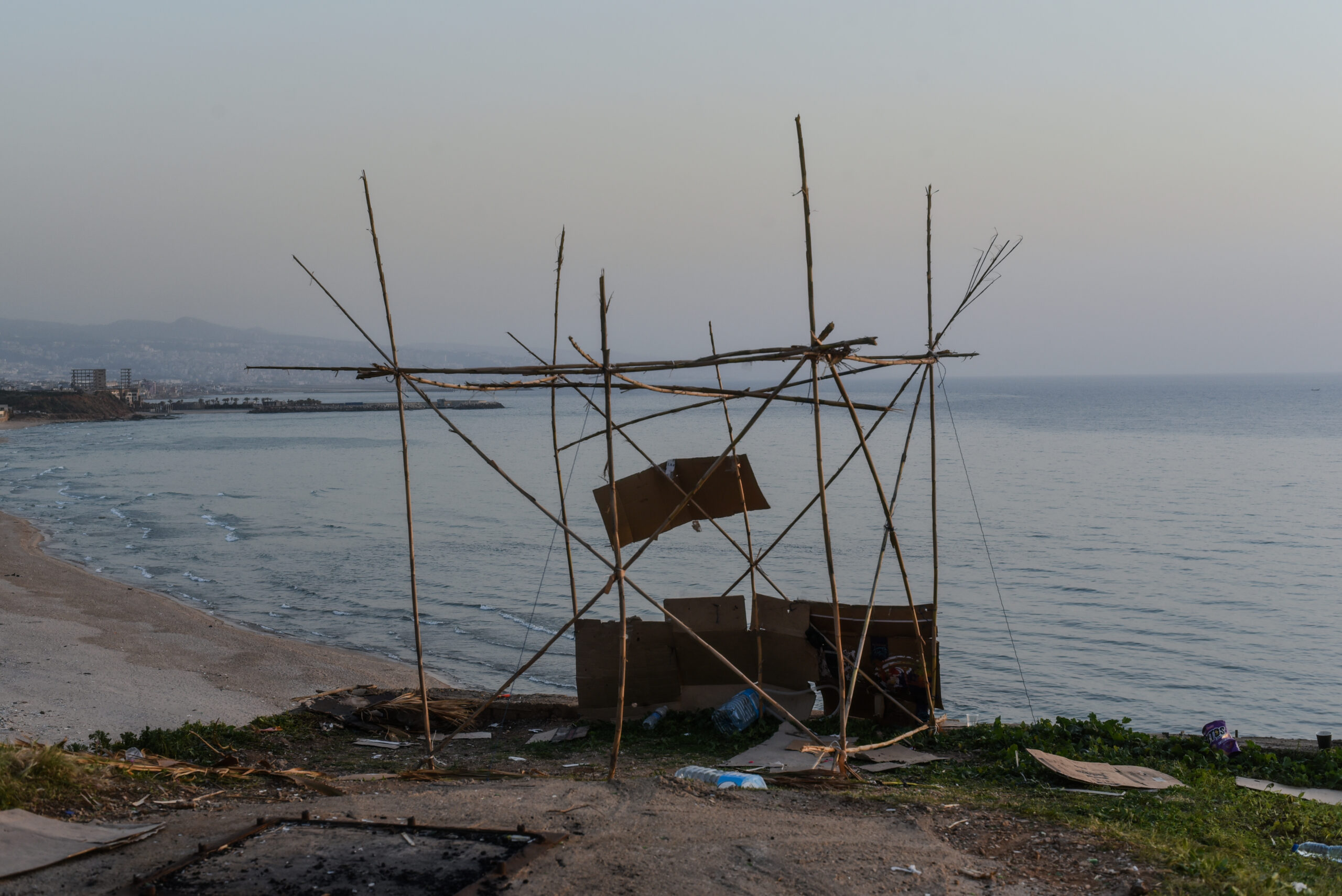
A temporary shelter for a forcibly displaced person overlooking the Mediterranean Sea and the Ramlet el Baida beach in Beirut. March 13, 2026.
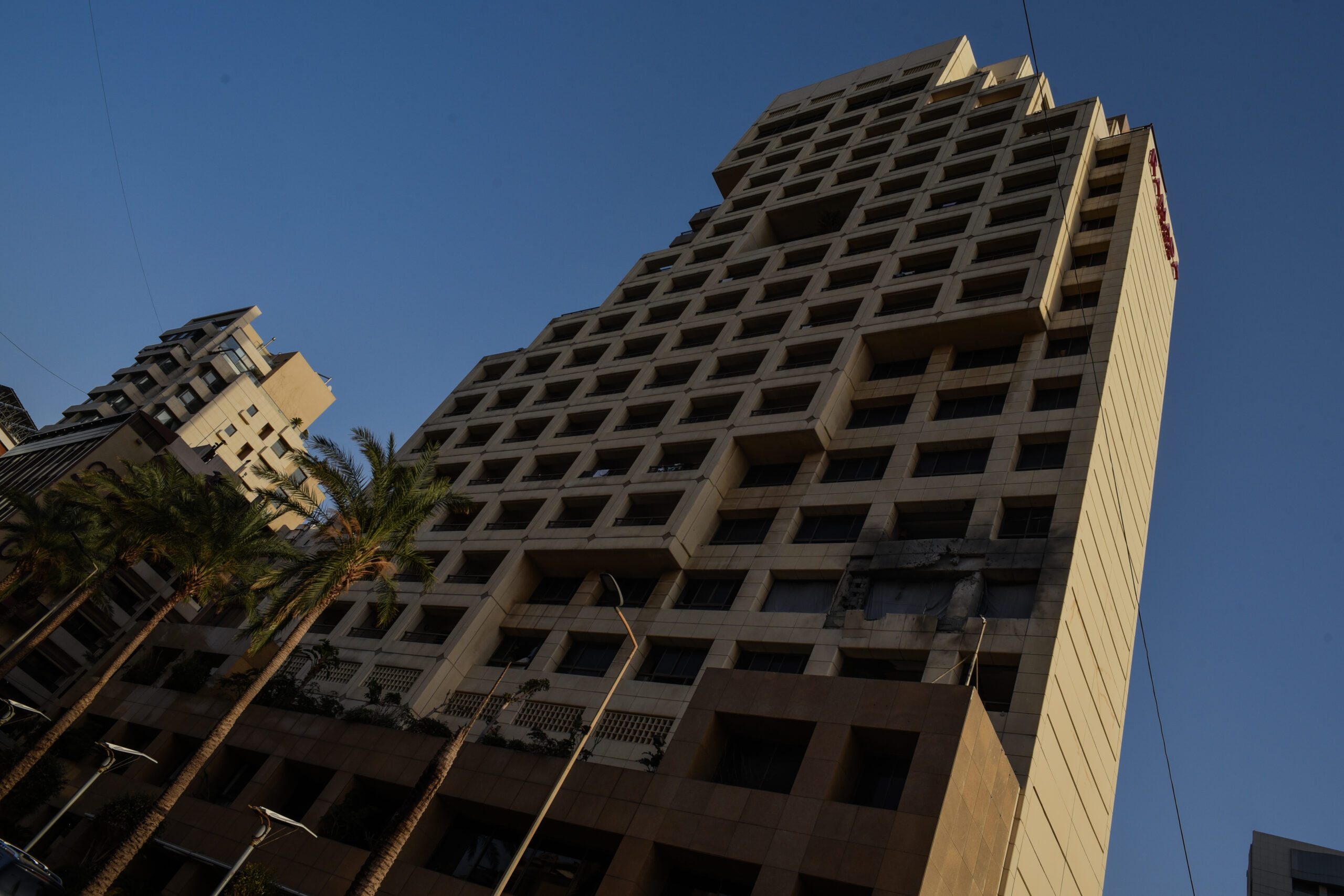
A seaside hotel in Raoucheh, Beirut, a few days after it was bombed by Israeli forces in an attack they claimed targeted Iranian commanders and killed four people. March 13, 2026.
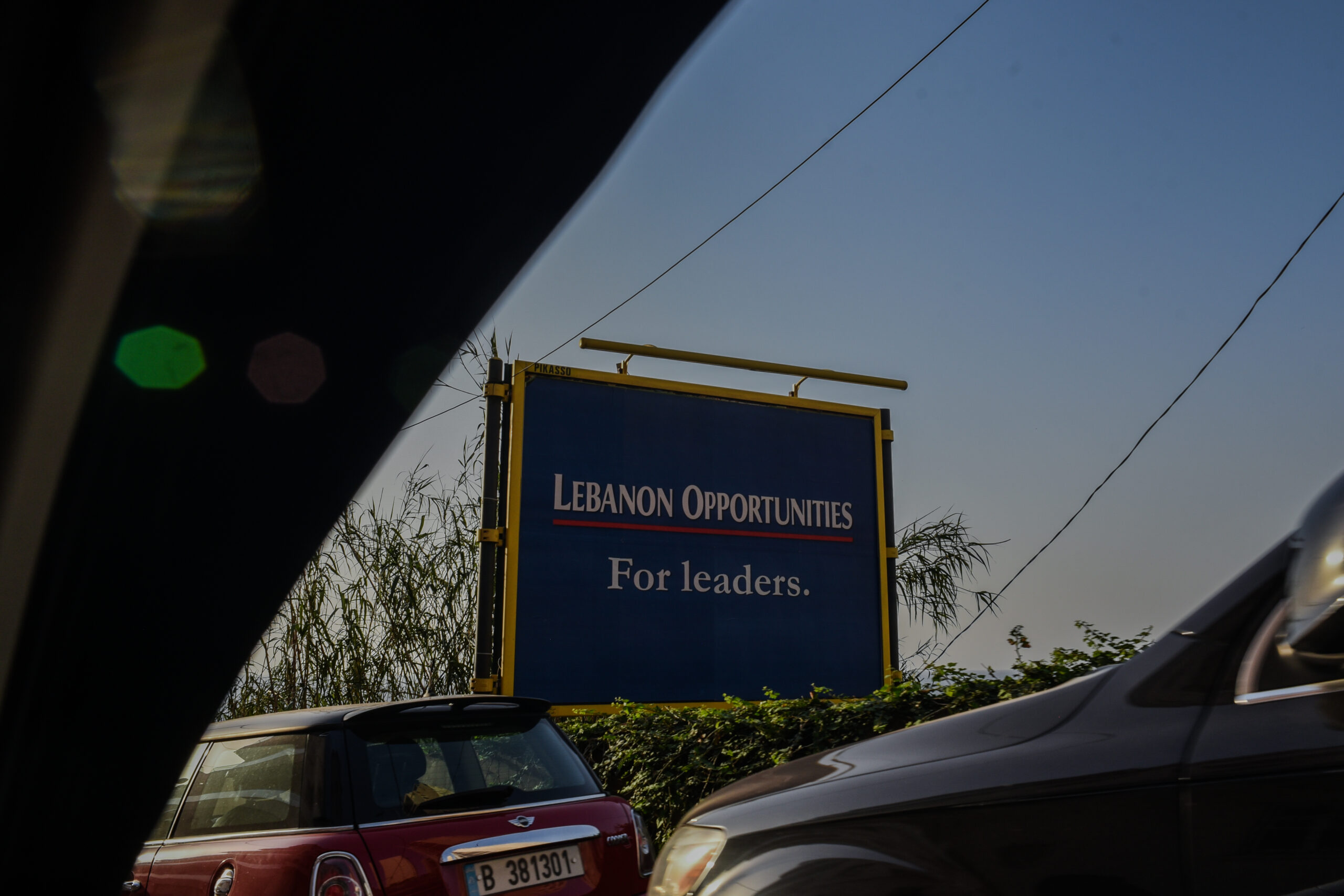
A billboard seen from a car driving through Hamra, east Beirut, of a networking platform called “Lebanon Opportunities: For leaders.” March 13, 2026.
A view over the beachfront of Ramlet el Baida, shortly after an Israeli airstrike hit the southern suburbs of Beirut. March 13, 2026.
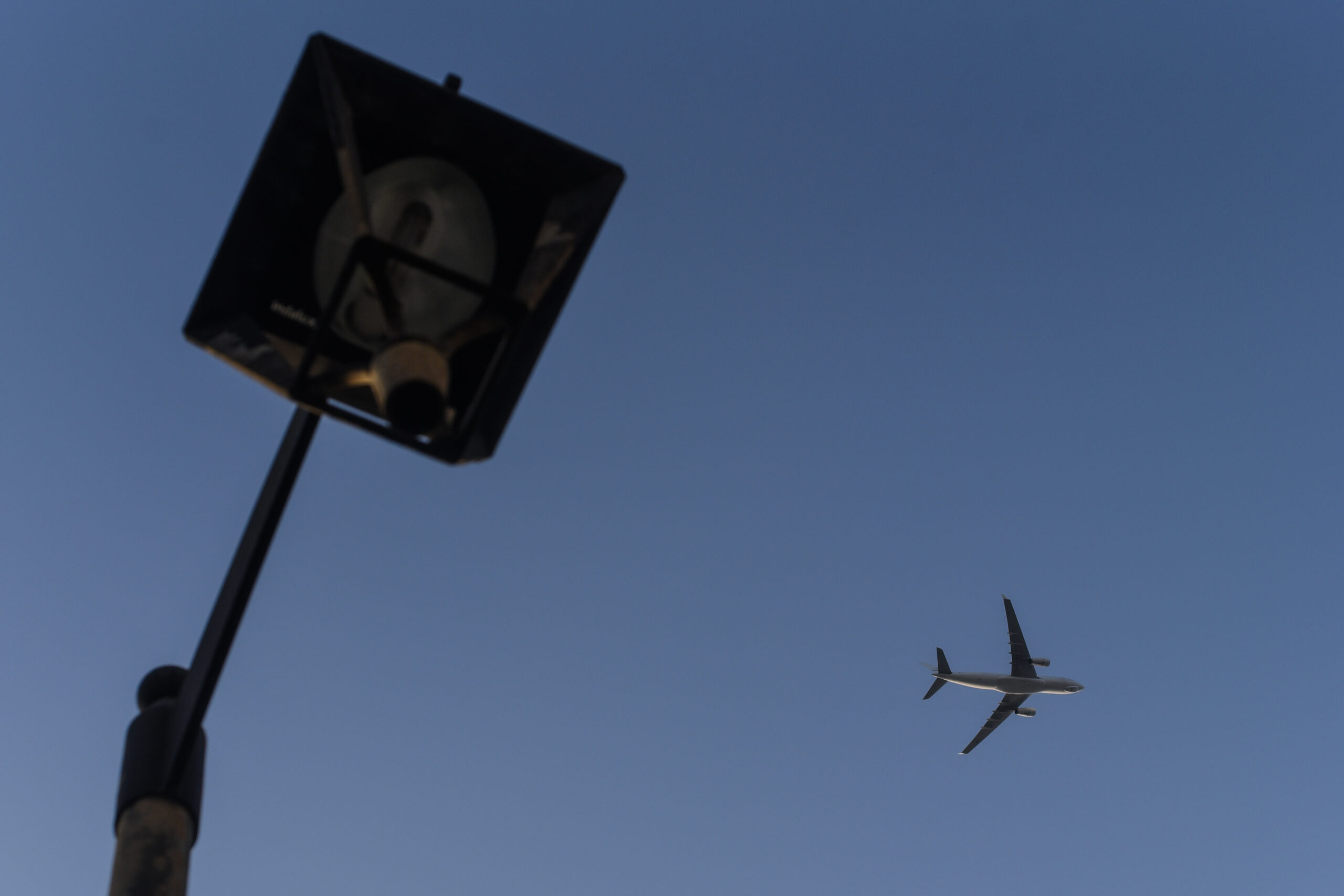
Despite the war, Middle East Airlines continues to operate flights in and out of Beirut Airport, near areas heavily bombed by Israeli forces. As in the 2024 war, it is the only airline still operating in Lebanon. March 13, 2026.
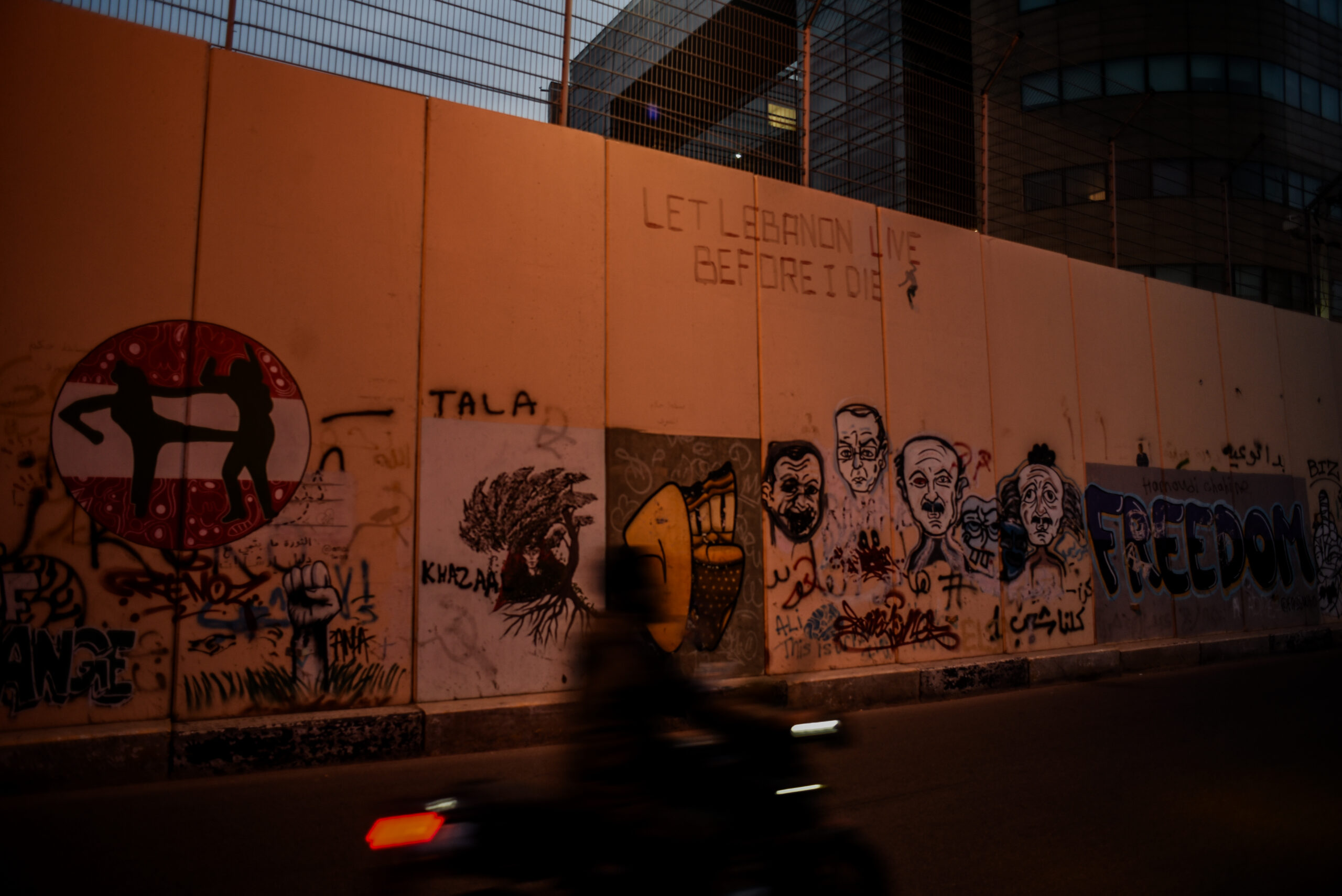
The “revolution wall” in Downtown Beirut with illustrations of government officials, a Lebanese woman fighting back a government bodyguard during the 2019 uprising, and a message that reads “Let Lebanon Live Before I Die.” March 13, 2026.
Alex Milan Durie is an independent multimedia journalist, writer, and photographer currently based in Beirut. He covers stories that touch on memory, belonging, culture, and the human consequences of conflict and climate change. He works regularly with The Guardian, Al Jazeera, TIME Magazine, The Financial Times, WIRED, GQ Magazine, Rolling Stone, Middle East Eye, and more. Raised between London and the South of France, Alex is of Vietnamese, Italian, and Swedish heritage, but feels most at home near the Mediterranean Sea.